The History of Setúbal: How It Shaped the Community Today

Introduction
Setúbal, a coastal town nestled in the heart of Portugal, boasts a history deeply intertwined with maritime culture, trade, and the strategic defense of the nation. Over centuries, Setúbal has evolved from a modest fishing village into a thriving urban center, all while maintaining its unique charm and traditions. In this blog post, we explore the rich history of Setúbal, uncovering how the past has shaped the vibrant community we see today.
Ancient Origins: The Roman Roots of Setúbal

The foundations of Setúbal can be traced back to Roman times when the region was known as Caetobriga. The Romans valued Setúbal for its proximity to the Sado River, using the area as a hub for fishing, salt production, and agriculture. Evidence of Roman settlement is still visible today, from the ancient ruins to artifacts unearthed across the city. This early integration into global trade laid the groundwork for Setúbal’s future economic growth.
The Medieval Era: Strategic Significance
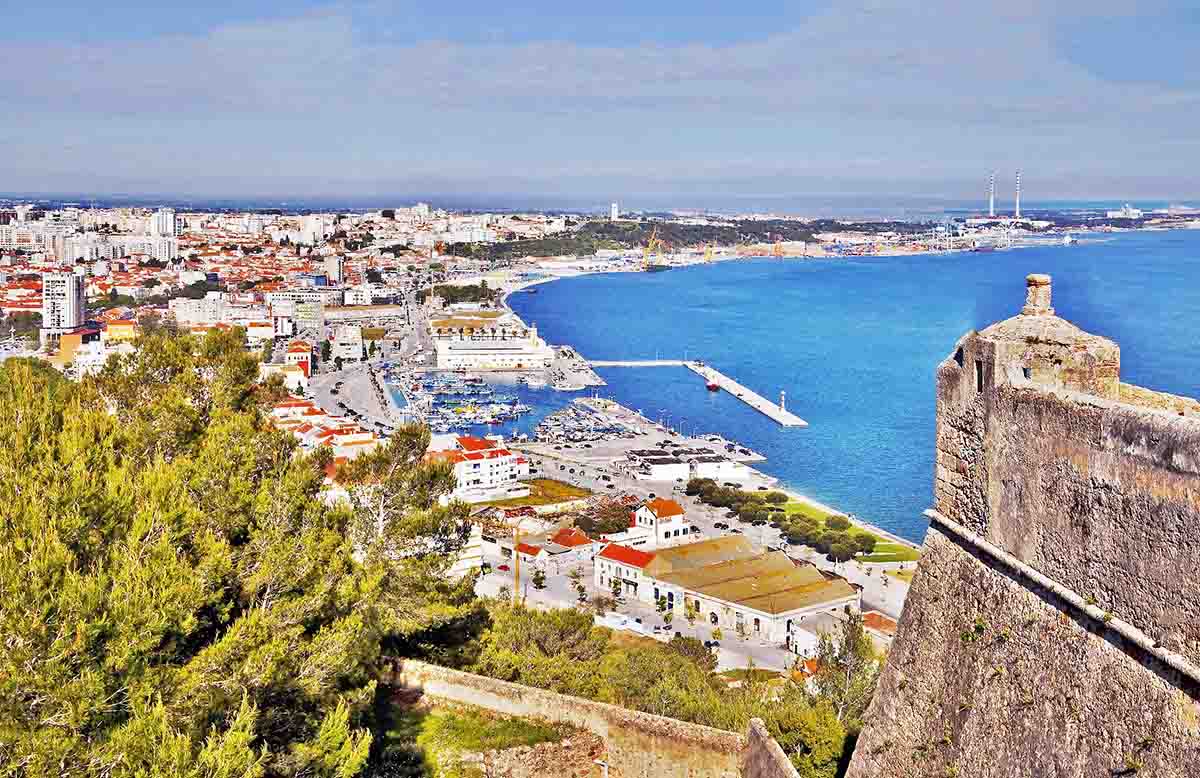
In the Middle Ages, Setúbal became an essential strategic location due to its proximity to Lisbon and its role as a defensive outpost. The construction of castles and fortresses, such as the Fort of São Filipe, was crucial for protecting the region from invasions. Setúbal was also a growing center of commerce, as its fishing and salt industries expanded. These medieval developments laid the foundation for the city's political and economic relevance in Portugal.
The Age of Discovery: Maritime Expansion
During the 15th and 16th centuries, as Portugal embarked on its Age of Discovery, Setúbal's status as a maritime hub grew. The city's shipyards became vital in building the fleets that would explore and expand Portuguese influence worldwide. Famous navigators such as Vasco da Gama and Fernão Mendes Pinto were linked to the region, further embedding Setúbal in Portugal’s seafaring legacy. The wealth from global trade bolstered the local economy and helped Setúbal flourish.
The Industrial Revolution: A New Era for Setúbal

The Industrial Revolution in the 19th century brought significant changes to Setúbal. The development of canning factories, especially for sardines, turned Setúbal into one of the most important industrial centers in Portugal. These factories provided jobs for locals and immigrants, leading to urban growth and social change. The rise of the cork and salt industries also contributed to the region's prosperity during this period.

The Impact of the 20th Century: War and Reconstruction
The 20th century saw Setúbal endure the hardships of war, political unrest, and economic fluctuations. During World War I and World War II, Setúbal’s industries were disrupted, and the community faced significant challenges. However, the post-war reconstruction efforts led to the revitalization of the city. Investment in infrastructure, tourism, and the fishing industry allowed Setúbal to recover and modernize.
Modern Setúbal: A Cultural and Economic Hub

Today, Setúbal is a thriving cultural and economic hub in Portugal. The city has embraced tourism, with attractions like the Arrábida Natural Park, the Sado River dolphins, and its historical architecture drawing visitors from around the world. Setúbal’s modern economy is still rooted in its maritime past, with fishing, salt, and port activities playing a major role. The city is also known for its wine, particularly the famous Moscatel de Setúbal, which has gained international recognition.
The Influence of Setúbal's Cultural Heritage on the Community
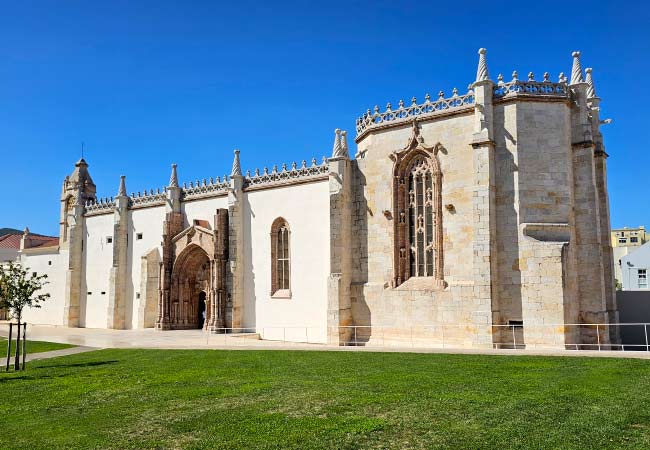
Setúbal’s cultural heritage is a vital part of its community identity. Traditional festivals, such as the Festas de São Sebastião and the Feira de Santiago, showcase the city’s history, music, and gastronomy. These events bring the community together, celebrating a shared past while looking forward to the future. The preservation of historic sites, such as the Monastery of Jesus of Setúbal, reflects the community's pride in its rich history.
Education and Legacy: How History Shapes the Future
Setúbal’s history is deeply embedded in the local education system, with schools teaching the city’s past and its role in Portuguese history. Museums, such as the Museu de Setúbal and Casa da Baía, provide educational resources and exhibits that keep the city’s legacy alive for future generations. This commitment to preserving and teaching history ensures that Setúbal’s past continues to influence the community’s identity and sense of pride.
The Future of Setúbal: Challenges and Opportunities
As Setúbal looks toward the future, it faces both challenges and opportunities. Economic shifts, environmental concerns, and the pressures of modernization must be balanced with the preservation of the city’s unique cultural heritage. However, Setúbal’s resilient community, steeped in history and tradition, is well-positioned to navigate these changes and continue thriving in the years to come.
Conclusion
Setúbal's journey through time has been marked by resilience, adaptability, and a strong sense of community. From its ancient Roman roots to its modern status as a cultural and economic hub, Setúbal’s history has shaped every aspect of the city we see today. As the community continues to evolve, it does so with a deep respect for the past, ensuring that future generations remain connected to their rich heritage.